Guide
What wood should you burn in a pizza oven?
Published
Note: This page contains affiliate links. If you buy through them we may earn a commission at no extra cost to you. Learn more
In short
Burn dry hardwood: kiln-dried oak, ash, beech or birch are the usual choices in the UK. Look for a moisture content under 20 %, which the Ready to Burn label confirms. Split it small enough to fit your oven's fuel tray. For pellet ovens, use 100 % hardwood cooking pellets, not heating pellets, and never burn treated, painted or resinous softwood.
Products for this job
Compare all 7 productsMimiuo upgraded wood and charcoal oven with fuel funnel
Check price on AmazonAffiliate linkGeorge Foreman pellet oven: 18 minute heat-up, 10.8 kg
Check price on AmazonAffiliate linkMimiuo Classic W-Oven: wood or pellets, 33 cm stone
Check price on AmazonAffiliate link
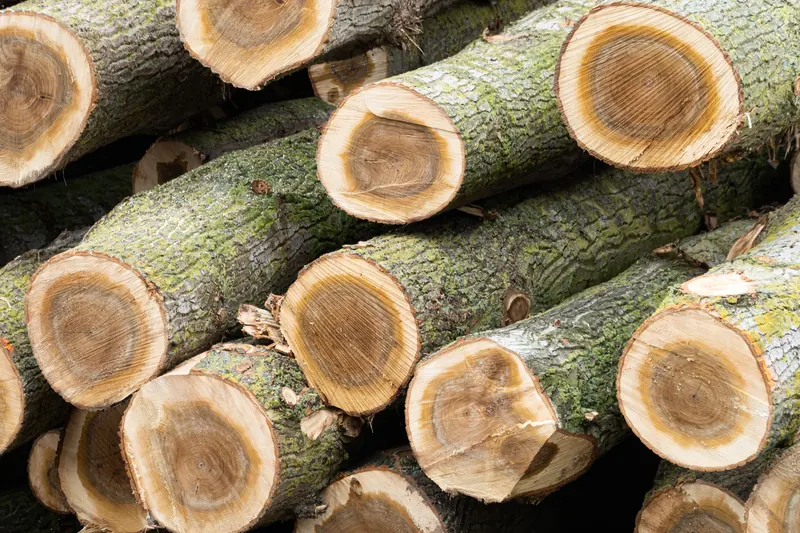
A wood-fired pizza oven is only as good as its fuel. Wet or resinous wood smoulders, coats the dome with soot and struggles to reach the high temperatures a pizza needs. Dry hardwood burns hot and clean with a lively flame that rolls over the dome. This guide explains which woods work best, why moisture matters so much, what size to cut logs for a small portable oven, and how to choose pellets for a pellet-fired oven.
The best hardwoods for pizza
Hardwoods are dense, so they hold more energy and burn for longer with a steady flame. Softwoods like pine and spruce light easily but burn fast, spit and contain resin that leaves sticky soot. For a pizza oven, the common UK choices are oak, ash, beech and birch, often sold kiln-dried in nets or boxes.
Fruitwoods such as apple and cherry add a mild, sweet smoke and are popular for cooking, though they are harder to buy in quantity. Whichever you choose, dryness matters more than species.
| Wood | How it burns | Notes |
|---|---|---|
| Oak | Hot, long and steady | Dense; needs to be well dried |
| Ash | Hot, clean flame | Easy to split, widely available |
| Beech | Hot and steady | Good all-rounder |
| Birch | Quick, bright flame | Lights easily, burns faster |
| Apple or cherry | Medium heat, sweet aroma | Good for flavour, harder to find |
Why moisture under 20 % matters
Freshly cut wood can be half water by weight. Burning it wastes energy boiling that water off, so the fire runs cool and produces thick smoke. In a small oven this means a weak flame, a pale pizza top and a sooty dome. Dry wood with a moisture content under 20 % burns hot and clean.
Kiln-dried logs are dried in a heated chamber and are usually well under that figure. Seasoned logs are air-dried over a year or more, and quality varies. In England, wood sold in small quantities for burning must meet the Ready to Burn standard, which means a moisture content of 20 % or less, so look for that label. A cheap moisture meter lets you check logs yourself: split one and test the fresh face.
Note:Never burn treated, painted, varnished or stained wood, pallets, chipboard, or anything with glue or plastic coatings. These release harmful fumes and contaminate the cooking surface.
Log size for small portable ovens
Portable pizza ovens have small fuel trays or boxes, so standard fireplace logs are far too big. You need short, thin splits that fit the tray with room for air to flow underneath. Thin pieces catch quickly and let you top up little and often, which keeps the flame strong. The maker's manual normally gives the maximum log size for the tray, so check it before you buy.
Many people buy kiln-dried logs and split them smaller with a hatchet, or buy ready-cut cooking wood sold for pizza ovens. Use dry kindling and natural firelighters to start the fire, not liquid lighter fluid, which can taint the food. Our guide on how to light a wood fired pizza oven walks through building the fire step by step.
- 1
Check the manual for the largest log the fuel tray takes.
- 2
Split kiln-dried hardwood into short, thin pieces.
- 3
Start with kindling and a natural firelighter.
- 4
Add small splits once the kindling is burning well.
- 5
Feed a piece or two at a time to keep a rolling flame over the dome.
Choosing pellets for a pellet oven
Pellet ovens burn small compressed cylinders of sawdust. For cooking, use pellets sold specifically for food, made from 100 % hardwood without added oils or chemical binders. Heating pellets made for stoves and boilers may contain softwood or additives and are not intended for cooking. Cooking pellets come in single woods such as oak, beech or apple, and in blends.
Pellets swell and crumble if they get damp, which blocks the hopper and starves the fire. Store them sealed and somewhere dry. Several ovens in our best wood fired pizza oven guide, including models from George Foreman, BIG HORN OUTDOORS and Mimiuo, are pellet-fired. Some, like the Mimiuo upgraded wood and charcoal oven, can also take lumpwood charcoal, which gives strong steady heat.
Storing wood and getting the most heat
Keep logs off the ground in a ventilated store with a roof, or bring a small supply into a dry shed a few days before you cook. Wood left uncovered in the British rain soon takes on moisture again. Keep pellets in a sealed tub.
During a cook, keep a lively flame rather than a big pile of glowing logs. The flame rolling over the dome is what cooks the top of the pizza, while the stone cooks the base. If the flame dies back between pizzas, add a small split and wait a minute for it to catch. If your oven still runs cool with good wood, see pizza oven not getting hot enough. Multi-fuel ovens let you switch to gas when you want speed, as covered in our best multi-fuel pizza oven guide.
Frequently asked questions
Can I use any wood in a pizza oven? No. Use dry, untreated hardwood. Avoid softwood with lots of resin, and never burn treated, painted or manufactured wood.
Are heating pellets the same as cooking pellets? Not always. Heating pellets may contain softwood or binders. Use pellets sold for cooking, made from 100 % hardwood.
Is kiln-dried wood worth it? For a pizza oven, yes. Its low moisture means a hotter, cleaner flame and less soot. Look for the Ready to Burn label.
Can I mix wood and charcoal? Only if your oven's manual says it is suitable for charcoal. Some multi-fuel ovens accept both, others are designed for wood or pellets only.
What you need
- Check price on AmazonAffiliate link
Mimiuo upgraded oven: wood or charcoal, 33 x 33 cm stone
- Check price on AmazonAffiliate link
George Foreman dual fuel: gas or wood pellets, piezo ignition
- Check price on AmazonAffiliate link
Jamie Oliver by Tefal: hand-turned rotating stone, 10.9 kg
From: Best portable pizza ovens for camping and taking to friends