Fix
Pizza oven not getting hot enough
Published
Note: This page contains affiliate links. If you buy through them we may earn a commission at no extra cost to you. Learn more
In short
A pizza oven that will not get hot enough is usually burning damp wood, has not been preheated for long enough, is losing heat to wind across the opening, or is being judged by an air reading instead of the stone. Use dry kiln-dried hardwood, preheat for at least 20 to 30 minutes, turn the back of the oven to the wind and measure the stone with an infrared thermometer.
Products for this job
Compare all 7 productsMimiuo upgraded wood and charcoal oven with fuel funnel
Check price on AmazonAffiliate linkGeorge Foreman pellet oven: 18 minute heat-up, 10.8 kg
Check price on AmazonAffiliate linkMimiuo Classic W-Oven: wood or pellets, 33 cm stone
Check price on AmazonAffiliate link
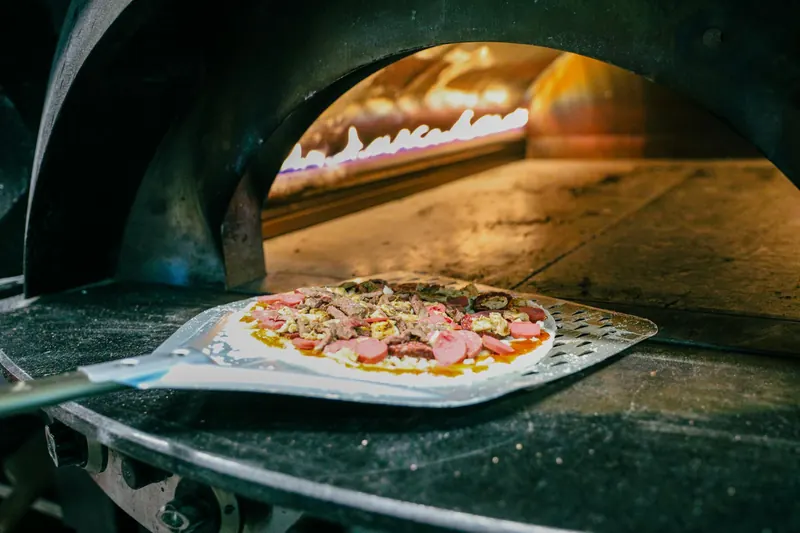
Portable wood and pellet ovens can reach very high temperatures, but only when the fire, the airflow and the weather are on your side. A fire that smoulders, a stone that never gets past 300°C or a dome that cools every time you launch all point to a few common causes. This guide focuses on wood and pellet ovens but most of it applies to gas ovens too. Work through the checks in order: fuel, preheat time, airflow, wind and how you measure. Your manual will give the maker's own heat-up times and fuel advice, so read it alongside this.
Wet or wrong fuel
Damp wood is the most common reason a wood oven stays cool. Energy goes into boiling off water instead of heating the oven, and the fire smoulders and smokes. Use kiln-dried hardwood such as oak, beech or ash in small pieces sized for your oven. In England, wood sold in small quantities for burning generally has to meet a moisture limit and carry a Ready to Burn label, which is a good sign it is dry enough. Our best wood for pizza ovens guide covers what to buy.
Store wood under cover and off the ground. In pellet ovens, damp pellets swell and crumble, so keep them sealed and dry. Use only food grade hardwood pellets if your manual allows pellets.
Too little preheat
A stone takes much longer to heat than the air in the oven. The flame can look fierce after ten minutes while the stone is still well below cooking temperature. Most portable ovens need at least 20 to 30 minutes to heat the stone, and longer on a cold or windy day. Larger, heavier ovens with thicker stones and more insulation take longer still, but hold heat better once they get there. Our pizza oven heat up times article goes into more detail.
The best way to know is to measure. If the stone is not up to temperature, keep feeding the fire and wait.
Airflow, chimney and fire management
A wood fire needs air in at the bottom and smoke out at the top. A blocked air intake, a fuel tray packed with ash, or a chimney damper closed too far starves the fire. Empty ash before each cook once the oven is cold, keep the grate clear and open the vents as the manual describes.
Build the fire with small, dry kindling and natural firelighters, then add small pieces of hardwood often rather than big logs. One or two pieces every few minutes keep a rolling flame over the dome. Overloading the tray smothers the fire and makes smoke. Our guide on how to light a wood-fired pizza oven walks through it.
Note:Use fuel-burning ovens outdoors only, well away from doors, windows and air vents, as they produce carbon monoxide. Keep clear of fences, sheds and overhanging branches, never leave a lit oven unattended, keep children and pets away and use heat-proof gloves. Never use petrol, lighter fluid or barbecue charcoal unless your manual says so.
Wind and cold weather
Wind blowing into the opening drives heat out and cools the stone, and wind across the chimney can pull the fire off balance. Turn the oven so its back faces the wind and use a windbreak at a safe distance if needed. A cold, damp day means a longer preheat. Ovens sitting on a metal table in winter also lose heat into the table, so a solid, heat-safe surface helps. See pizza oven tables and stands.
For gas ovens, a weak flame on a cold day often points to the gas. Butane does not vaporise well in cold weather. Check your manual for the right gas and see gas pizza oven not lighting for flame problems.
Measure the stone, not the air
Built-in thermometers on many ovens read the air in the dome. That can show a high number while the stone is much cooler, and the stone is what cooks the base. Point an infrared thermometer at the centre of the stone. For Neapolitan style pizza, many cooks aim for roughly 400 to 450°C on the stone. For thicker styles, lower is fine. Our pizza oven temperature guide explains the numbers.
If your oven still cannot get there with dry fuel, a full preheat and shelter from the wind, it may simply be a lower temperature design. Our best wood-fired pizza oven and best multi-fuel pizza oven guides list current options.
| Problem | Check | Fix |
|---|---|---|
| Smoky, smouldering fire | Wood moisture | Kiln-dried hardwood |
| Flame looks hot, base pale | Stone temperature | Longer preheat |
| Fire dies down fast | Air intake and ash | Clear ash, open vents |
| Heat drops each pizza | Wind and refuelling | Shelter, add wood often |
Frequently asked questions
What temperature should a wood-fired pizza oven be? For Neapolitan style pizza, many cooks aim for a stone of about 400 to 450°C. New York style and thicker pizzas cook well cooler.
How long does a Gozney take to heat up? Gozney gives heat-up guidance for each model in its manuals and on its website. Expect longer in cold or windy weather, and always check the stone with an infrared thermometer.
Why is my pizza oven smoking but not getting hot? The wood is probably damp or the fire is starved of air. Use kiln-dried hardwood, clear the ash and open the vents.
Does wind affect a pizza oven? Yes. Wind into the opening cools the stone. Turn the back of the oven to the wind and shelter it at a safe distance.
What you need
- Check price on AmazonAffiliate link
Mimiuo upgraded oven: wood or charcoal, 33 x 33 cm stone
- Check price on AmazonAffiliate link
George Foreman dual fuel: gas or wood pellets, piezo ignition