How-to
How to clean a pizza oven stone
Published
Note: This page contains affiliate links. If you buy through them we may earn a commission at no extra cost to you. Learn more
In short
Most mess on a pizza oven stone is cleaned by heat: run the oven hot for 15 to 30 minutes so spills turn to ash, then brush them off once the stone has cooled. Scrape stubborn bits with a plastic or metal scraper and, if your oven allows it, flip the stone. Avoid soap and soaking, because cordierite is porous and can crack if it holds water.
Products for this job
Compare all 7 productsGeorge Foreman dual fuel: gas or wood pellets, 500°C
Check price on AmazonAffiliate linkDeliVita Diavolo: gas, 450°C, temperature gun included
Check price on AmazonAffiliate linkGino D'Acampo Modena: 14 inch gas oven with thermometer
Check price on AmazonAffiliate link
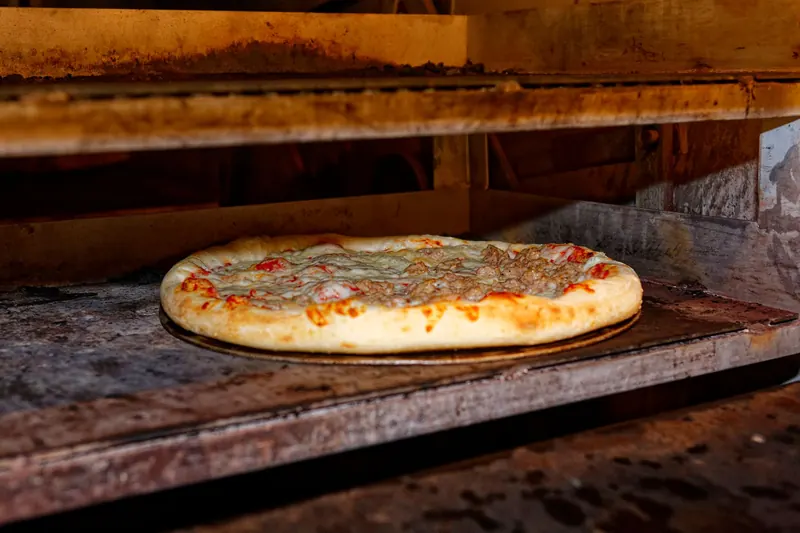
Pizza stones in outdoor ovens are usually made of cordierite, a ceramic that copes well with high heat but is porous like a sponge. That shapes how you clean it. A stone that looks blackened and stained is usually fine to cook on, and darkening is normal. What matters is removing burnt food, ash and grease that can scorch onto the next pizza. This guide covers the burn-off method, brushing and scraping, flipping, and what to avoid. It applies to most portable ovens, including Gozney, Ooni and similar models, but check your manual before removing a stone.
Why stones stain and why it is mostly fine
Cordierite and similar stones absorb oils and sugars from cheese, sauce and dough. At high heat these darken and leave marks. Over time a well-used stone goes patchy brown or black. This is cosmetic and does not affect cooking. Many people consider a seasoned stone a sign of regular use.
The things worth removing are lumps of burnt cheese, charred toppings and loose flour or ash, as these can stick to the next base or give a bitter taste.
Burn it off first
Heat is the simplest cleaner. At pizza oven temperatures, food residue carbonises and turns to ash that brushes away easily.
- 1
After cooking, or at the start of the next session, run the oven on full for 15 to 30 minutes.
- 2
Leave any spills on the stone so they burn to ash rather than smear.
- 3
Turn the oven off and let the stone cool completely, ideally in the oven.
- 4
Brush the ash away with a stiff brush.
- 5
Check for any remaining lumps and scrape them off.
Note:Gas ovens: outdoor use only, never indoors, in a tent, awning, caravan or garage. Turn off at the bottle when finished and follow the manual. Wood and gas ovens produce carbon monoxide, so use them only in open air. Wear heat-proof gloves and never leave a lit oven unattended.
Brushing and scraping
A long-handled brush with brass or stiff natural bristles is useful during cooking to sweep loose flour and crumbs off the hot stone between pizzas. Brass is softer than steel and less likely to scratch. Some brushes have a scraper blade on the back for lifting burnt cheese.
For stubborn marks on a cold stone, use a plastic dough scraper or a flat metal scraper held at a low angle. Work gently so you do not chip the surface or the edges. A light rub with fine sandpaper is sometimes used for raised crusty spots, but it is rarely needed and you should check your maker's advice first.
| Do | Do not |
|---|---|
| Burn off residue at high heat | Use washing up liquid or detergent |
| Brush ash off once cool | Soak the stone or put it in a dishwasher |
| Scrape gently at a low angle | Pour water on a hot stone |
| Let it dry fully if it gets wet | Use oven cleaner or harsh chemicals |
Why soap and water are a bad idea
Because cordierite is porous, it soaks up liquid. Detergent can be absorbed and later give the base a soapy taste. Water trapped inside the stone turns to steam when heated, and the expansion can crack it. Sudden temperature changes, such as cold water on a hot stone, also cause thermal shock and cracking. Our pizza stone cracked guide covers what to do if that happens.
If you must remove something sticky, a barely damp cloth on a cold stone is the limit. Let the stone dry completely, ideally for a day or more, then heat it slowly from cold so any remaining moisture escapes gently.
Flipping the stone
On many ovens the stone is removable, and some people flip it so stained or crusty spots face down. The underside then gets burnt clean by the heat of later sessions, and you cook on a fresh side. Only do this if your manual allows the stone to be removed and refitted. Some designs have a fixed or specially fitted floor. Gozney, for example, gives its own guidance on stone care and removal for each model, so check the manual for your oven.
Always handle the stone cold. It is heavy, holds heat for a long time and can break if dropped.
Cleaning the rest of the oven
Once cold, brush ash out of the oven mouth and chimney area. Wipe the outer shell with a damp cloth and dry it. Keep the burner and gas connections free of debris, and check the hose for damage before each use. Store the oven dry and covered. See storing a pizza oven in winter for longer breaks. If your stone is beyond saving or you are upgrading, browse the best outdoor pizza ovens and the best gas pizza ovens.
Frequently asked questions
How do I clean a burnt pizza stone? Run the oven hot so the residue turns to ash, let the stone cool, then brush and gently scrape it. Black stains that remain are normal.
Can I wash a pizza stone with soap? No. Cordierite is porous and can absorb detergent, which may taint food, and trapped water can crack the stone when heated.
How do I clean a Gozney Roccbox stone? The general approach is to burn off residue and brush it once cool. Follow Gozney's manual for your model, especially before trying to remove the stone.
Should I clean my pizza stone after every use? Brush off loose ash and lumps after each session. A full burn-off is only needed when residue builds up.
What you need
- Check price on AmazonAffiliate link
George Foreman dual fuel: gas or wood pellets, piezo ignition
- Check price on AmazonAffiliate link
Jamie Oliver by Tefal: hand-turned rotating stone, 10.9 kg
From: Best gas pizza ovens
- Check price on AmazonAffiliate link
DeliVita Diavolo: compact 12 inch gas oven, 450°C
From: Best 12 inch pizza ovens