How-to
What else can you cook in a pizza oven?
Published
Note: This page contains affiliate links. If you buy through them we may earn a commission at no extra cost to you. Learn more
In short
A pizza oven is good for anything that likes fierce, quick heat: flatbreads and naan straight on the stone at 350 to 450°C, steak seared in a cast iron pan, roast vegetables in a tray at around 250 to 300°C, and whole fish or fillets at a more moderate heat. Turn the flame down or let the oven settle for slower dishes, and use oven-safe cookware.
Products for this job
Compare all 5 productsGeorge Foreman dual fuel: gas or wood pellets, piezo ignition
Check price on AmazonAffiliate linkMimiuo upgraded oven: wood or charcoal, 33 x 33 cm stone
Check price on AmazonAffiliate linkMimiuo Classic W-Oven: wood or pellets with chimney control
Check price on AmazonAffiliate link
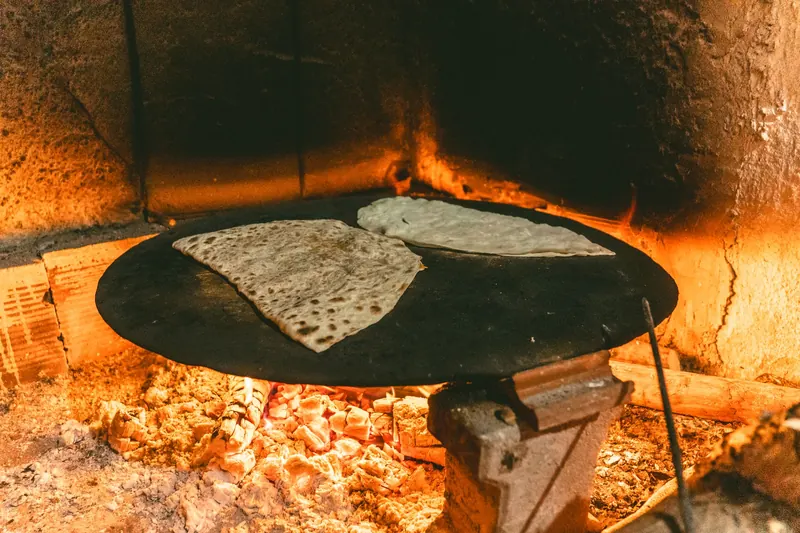
Once you have an outdoor pizza oven, it seems a shame to light it only for pizza. The same intense heat from the stone and the dome will blister flatbreads in a minute, give steak a deep crust and char vegetables in a way a kitchen oven cannot. The key is matching the dish to the temperature, and using cast iron or other cookware that can take the heat. This guide gives ideas with rough temperatures. They are starting points: every oven behaves differently, so check your maker's guidance and watch food closely the first time.
Managing temperature for non-pizza cooking
Pizza needs the stone at around 400 to 450°C. Most other dishes cook better a little cooler. On a gas oven, turn the flame down and let the oven settle for a few minutes, checking the stone with an infrared thermometer. On a wood oven, let the fire die back or add less fuel. Food in a pan sits on the stone, so the stone temperature matters most.
Cast iron skillets, carbon steel pans and heavy enamelled roasting dishes cope well with pizza oven heat. Avoid glass, ceramic dishes not rated for high heat and anything with plastic or wooden handles. Use long-handled tools and heat-proof gloves. Our pizza oven temperature guide explains how to read and control the heat.
| Food | Approximate stone temperature | Typical cook |
|---|---|---|
| Flatbreads and naan | 350 to 450°C | Straight on the stone, 1 to 2 minutes |
| Steak in cast iron | Pan preheated in a hot oven | A few minutes each side |
| Roast vegetables | 250 to 300°C | In a tray, turned once or twice |
| Fish fillets or whole fish | 200 to 300°C | In a pan or tray, depending on size |
| Garlic bread and focaccia | 250 to 300°C | On the stone or in a pan |
Flatbreads, naan and garlic bread
Flatbreads are the easiest win. Use your pizza dough or a simple yoghurt flatbread dough, roll or stretch it thin and lay it straight on the hot stone. At 350 to 450°C it puffs and chars in a minute or two. Flip it once with a turning peel. Brush with garlic butter or olive oil as it comes out.
Naan-style breads work the same way. For a softer garlic bread or focaccia, bake in a lower oven in a cast iron pan so the outside crisps without burning before the middle is cooked. Our Neapolitan-style dough makes a good base for all of these.
Steak and other meat in cast iron
Put a cast iron skillet in the oven to heat for several minutes, then pull it out with gloves, add a thick steak and return it to the oven. The pan sears the underside while the dome heat browns the top, so it cooks fast. Turn once, then check and rest the meat before slicing. A meat thermometer takes the guesswork out of doneness.
Chicken thighs, sausages, lamb chops and kebabs also cook well in a pan at a moderate heat. Cook poultry, sausages and minced meat until steaming hot all the way through with no pink meat and the juices running clear, as standard UK food safety advice recommends. Turning the flame down helps the inside cook before the outside chars.
Note:Fat can spit and flare in a very hot oven. Use a deep pan, keep fatty food away from the flame and never pour water on a grease fire. Gas ovens are for outdoor use only, never indoors, in a tent, awning, caravan or garage; turn off at the bottle when finished and follow the manual. All fuel-burning ovens produce carbon monoxide, so keep them in open air. Never leave a lit oven unattended and keep children and pets away.
Roast vegetables
Peppers, courgettes, red onions, aubergine, tomatoes and broccoli all take on a lovely char. Cut them into even chunks, toss with oil and salt, and spread them in a single layer in a roasting tray or cast iron pan. At around 250 to 300°C, they usually need 10 to 20 minutes, turned once or twice. Harder vegetables like potatoes and carrots take longer, so parboil them first or cut them smaller.
Whole peppers or aubergines can go straight onto the stone near the flame until blackened, then into a bowl covered with a plate so the skins slip off easily.
Fish and seafood
Fish cooks quickly and suits a moderate oven. Lay fillets, skin side down, in an oiled pan or on a tray with lemon and herbs. At 200 to 300°C a thin fillet may only need a few minutes. A whole fish such as sea bass or mackerel works well too: score the skin, season and roast in a pan, turning once. Cook until the flesh is opaque and flakes easily.
Prawns and scallops need just a minute or two in a hot cast iron pan. Watch them closely, as they overcook fast.
Choosing an oven for more than pizza
Ovens with a taller opening and a larger stone make it easier to fit pans and roasting trays. Gas ovens give precise control for lower temperatures, while wood and multi-fuel ovens add smoky flavour. See our best multi-fuel pizza ovens and best outdoor pizza ovens for ovens that suit varied cooking. For basic oven technique, read how to use an outdoor pizza oven.
Frequently asked questions
Can you cook a steak in a pizza oven? Yes. Preheat a cast iron pan in the oven, sear the steak in it and turn once. It cooks quickly, so check it often and rest it before slicing.
What temperature should a pizza oven be for roast vegetables? Around 250 to 300°C on the stone is a good starting point, with vegetables in a tray turned once or twice.
Can I bake bread in a pizza oven? Flatbreads are easy at high heat. Larger loaves need a steady, lower temperature, which is easier in ovens with a door or good heat control. Check the manual.
What pans can I use in a pizza oven? Cast iron, carbon steel and heavy roasting pans rated for high heat. Avoid glass, non-oven-safe ceramics and pans with plastic or wooden handles.
What you need
- Check price on AmazonAffiliate link
George Foreman dual fuel: gas or wood pellets, piezo ignition
- Check price on AmazonAffiliate link
Jamie Oliver by Tefal: hand-turned rotating stone, 10.9 kg
From: Best gas pizza ovens